
All articles
 Sleep & Rest
Are Afternoon Naps Good for You? What Studies Show
Short naps of about 10 to 20 minutes in the early afternoon are linked to better alertness with little grogginess. Longer or later naps can leave you foggy and eat into night sleep.
 Healthy Aging
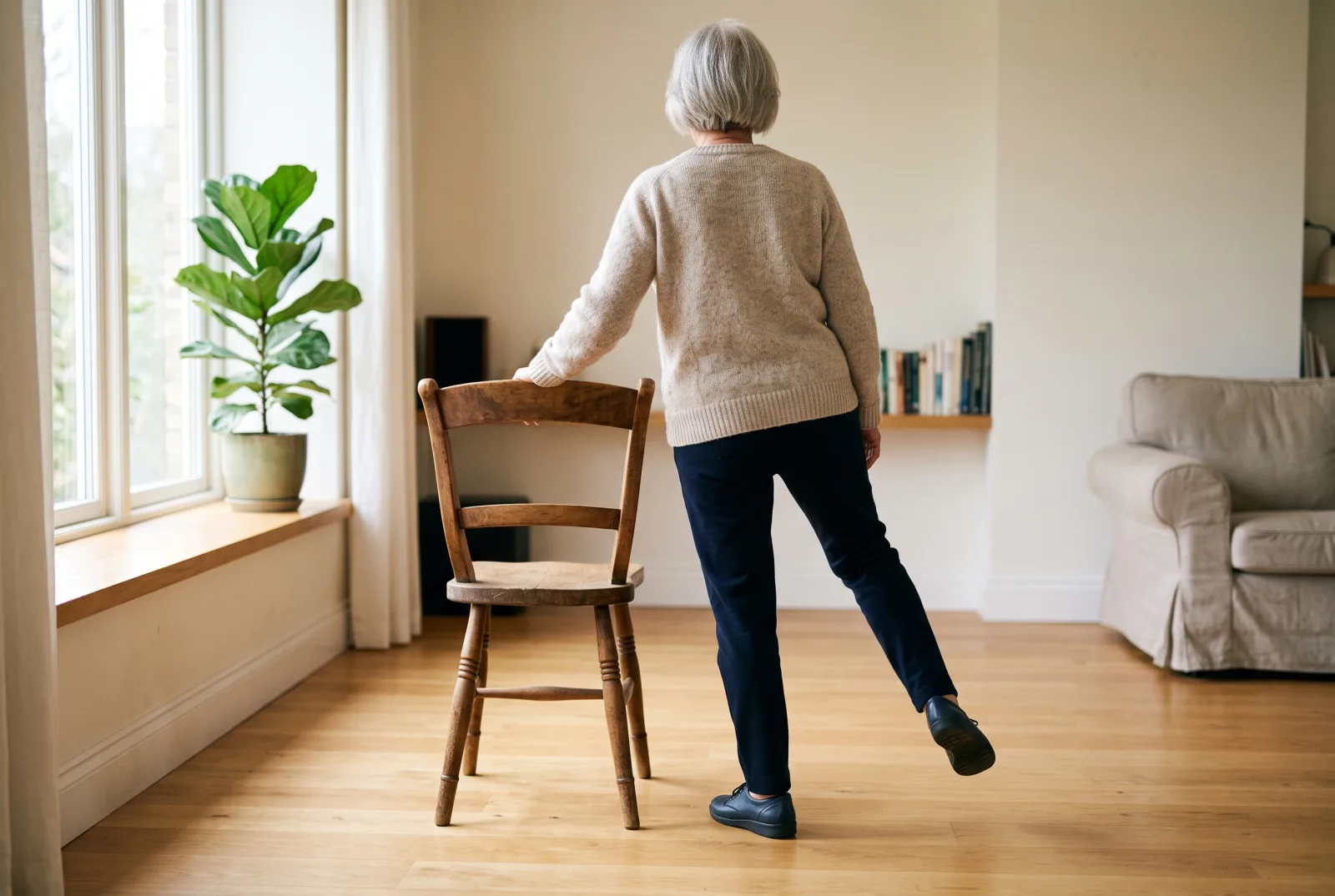
Balance After 60: The Daily Habits Researchers Recommend
Falls are common after 65, but many can be prevented. The CDC and NIA point to a short list of habits: balance and leg-strength exercise, eye and foot checks, sturdy shoes, a safer home and a medicine review.
 Sleep & Rest
What a Consistent Wake-Up Time Does to Your Body Clock
Your body clock runs a little longer than 24 hours and resets mainly on light. A steady wake-up time, with daylight soon after, gives it a daily anchor, while weekend sleep-ins can nudge it later.
 Personal Care
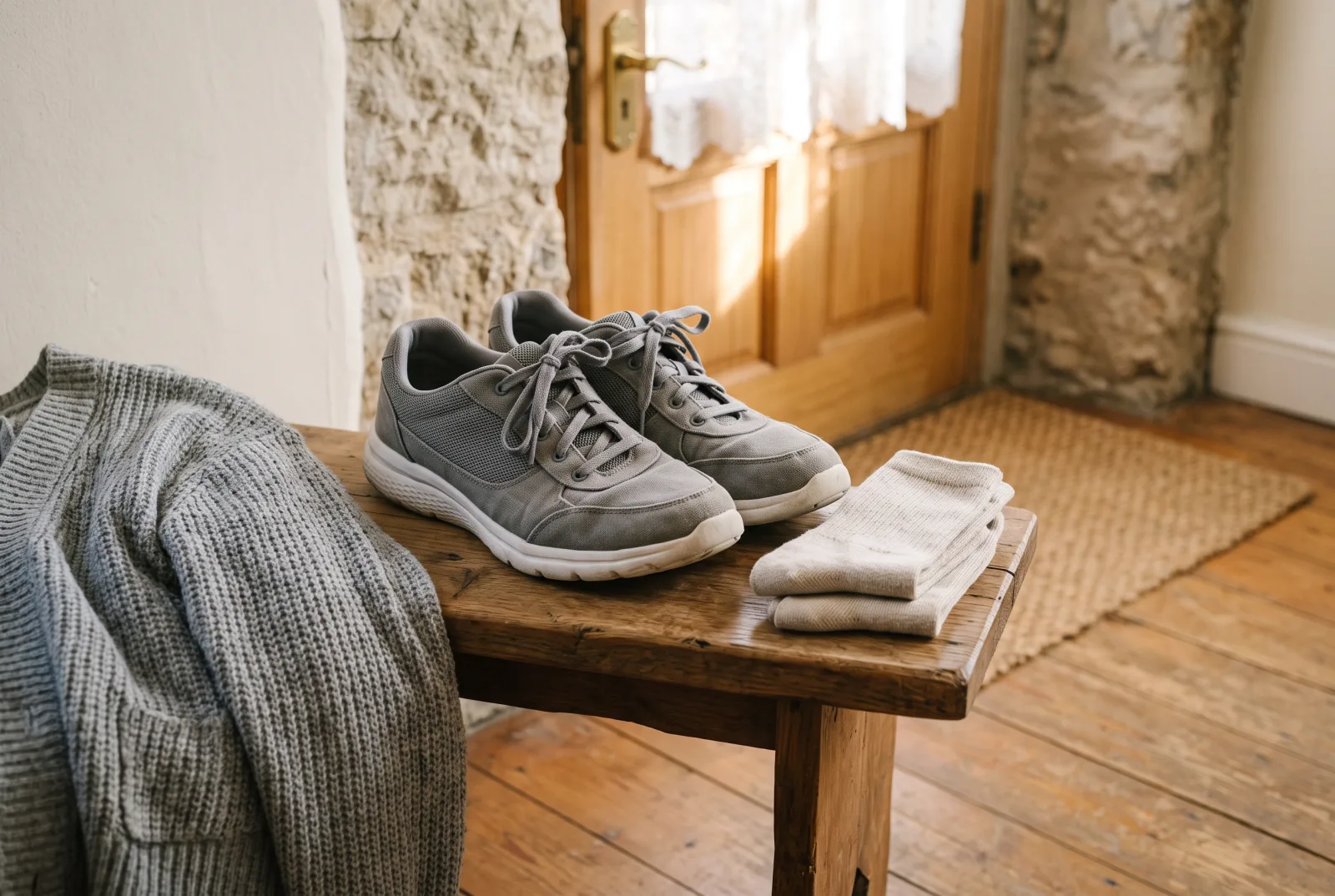
Foot Care Basics That Are Easy to Skip After 50
Feet change with age, but the care they need stays simple: a regular look, careful drying between the toes, moisturizer in the right places, nails cut straight across, and shoes fitted to the feet you have now.
 Everyday Nutrition
Is Frozen Produce as Nutritious as Fresh?
Studies comparing fresh and frozen fruits and vegetables find vitamin levels mostly similar, and when they differ, frozen tends to beat fresh produce that has sat in the fridge for days. Canned can work too.
 Healthy Aging
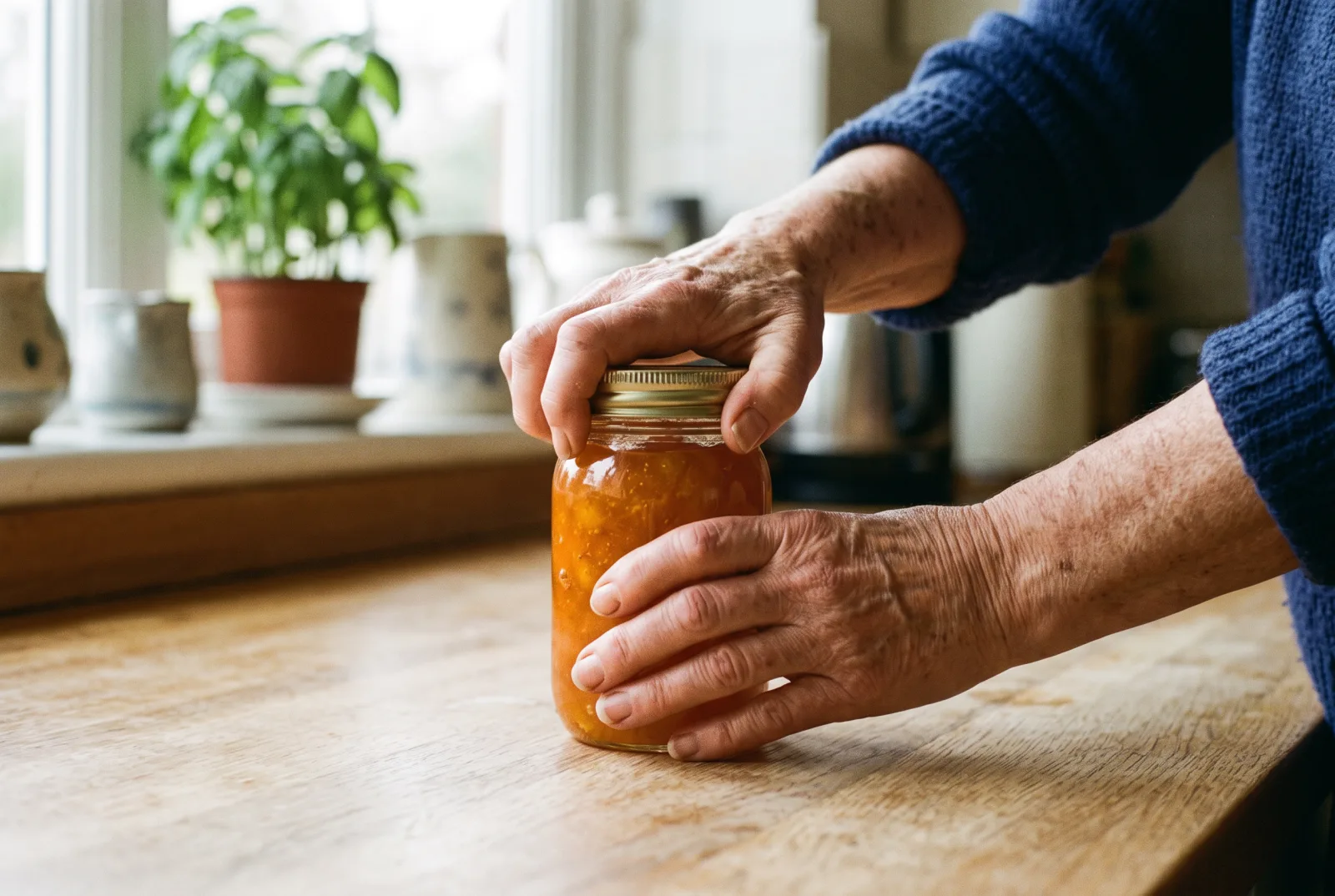
Why Grip Strength Is One of the Best Signs of Healthy Aging
Grip strength is a quick window into your overall muscle strength, and large studies link a weaker grip with poorer health outcomes. The habit worth building is strength for your whole body.
 Healthy Aging
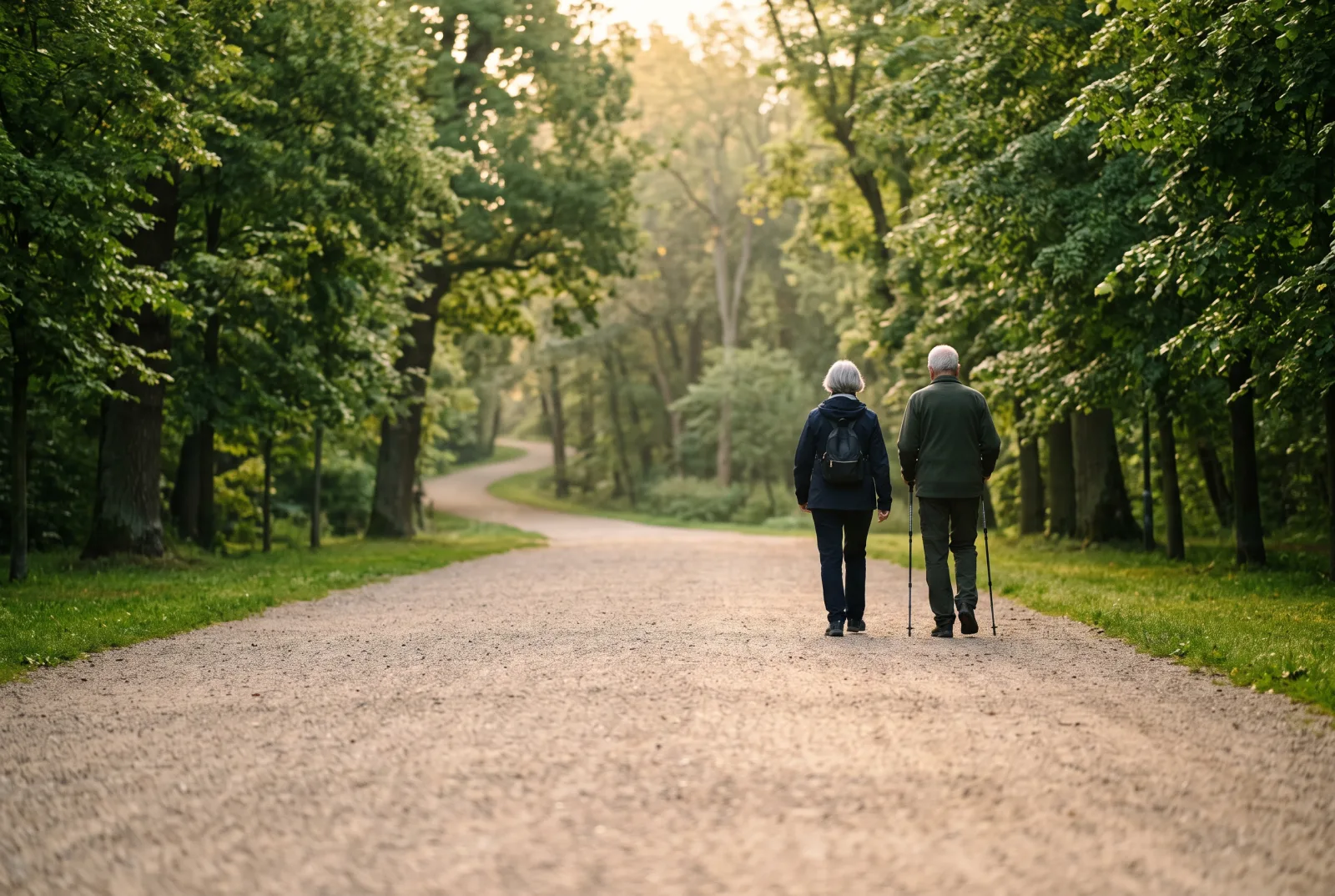
How Much Activity Do Adults Over 65 Really Need?
The CDC's answer for adults 65 and older: 150 minutes of moderate activity a week, muscle-strengthening on two or more days, plus balance work. Short bouts count, and some activity beats none.
 Sleep & Rest
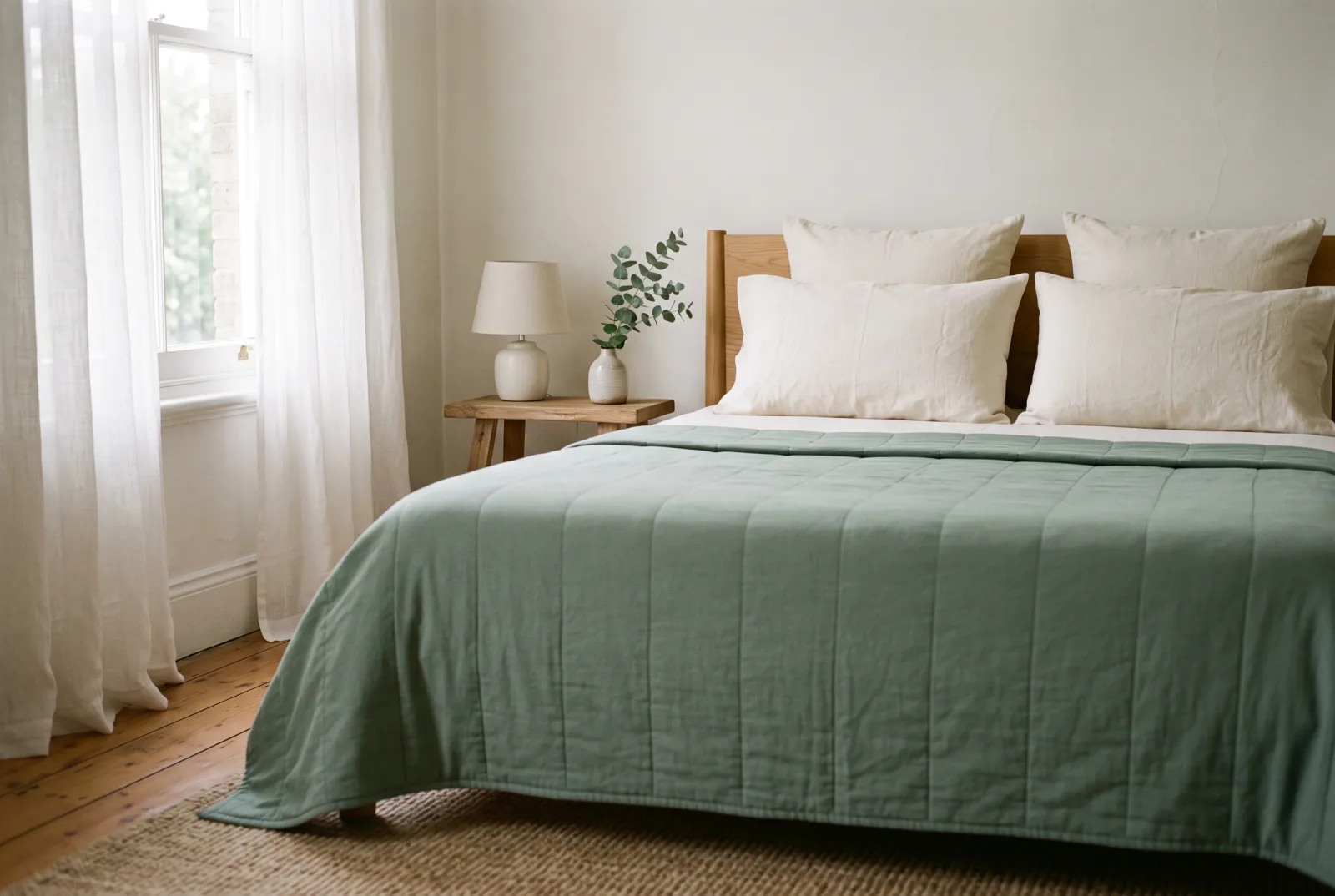
How Much Sleep Do Adults Over 60 Need?
Adults over 60 need about as much sleep as younger adults, at least 7 hours a night, according to the CDC and NIA. What changes with age is the pattern: earlier, lighter sleep with more awakenings.
 Everyday Nutrition
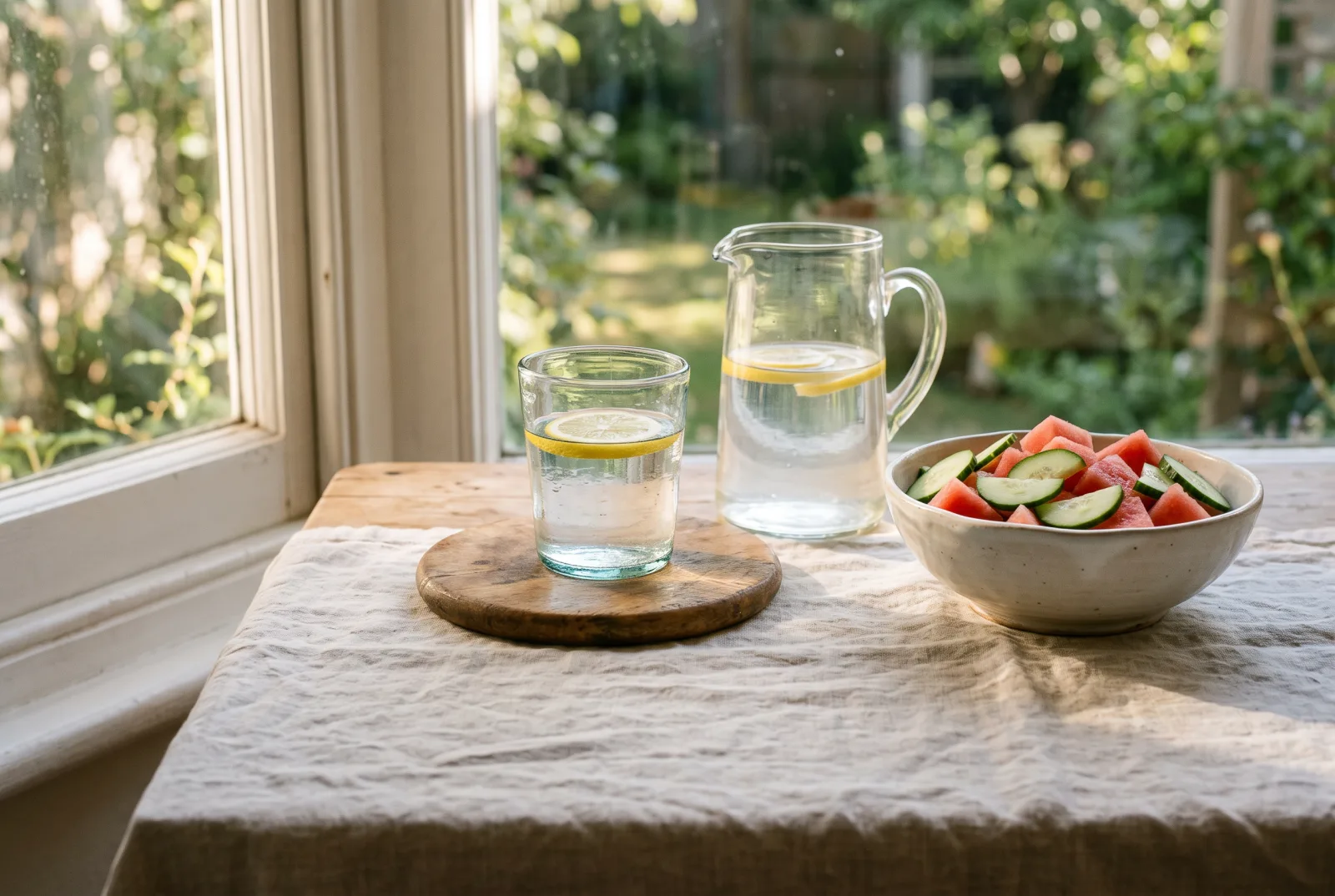
How Much Water Do You Actually Need?
The National Academies put daily needs at about 2.7 liters of total water for women and 3.7 for men, from all drinks and food. Thirst guides most people, but it can fade with age.
 Personal Care
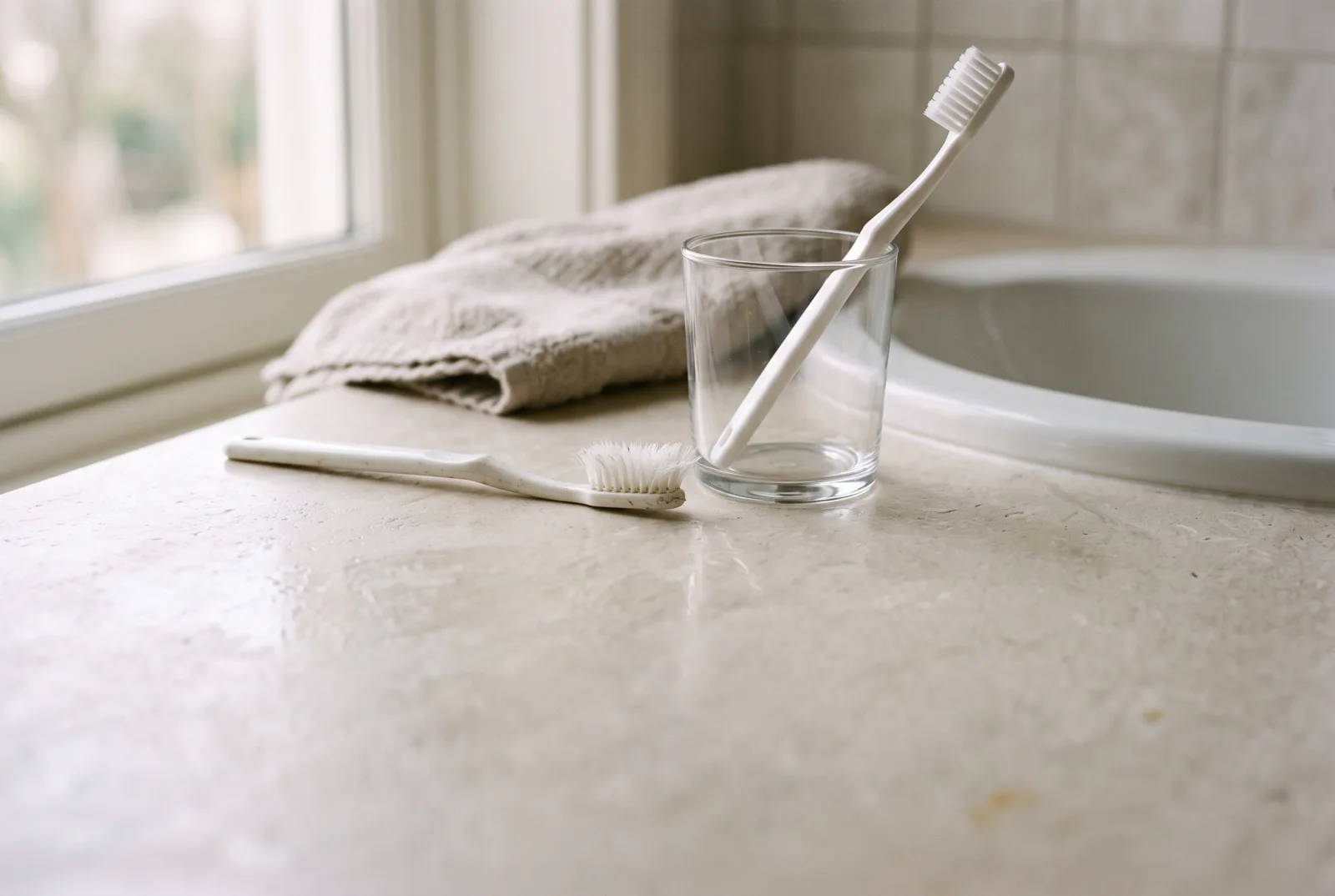
How Often Should You Really Replace Your Toothbrush?
The American Dental Association says every three to four months, sooner if the bristles are frayed. In practice, the bristles are the better clock: a splayed brush cleans less well, whatever its age.
 Everyday Nutrition
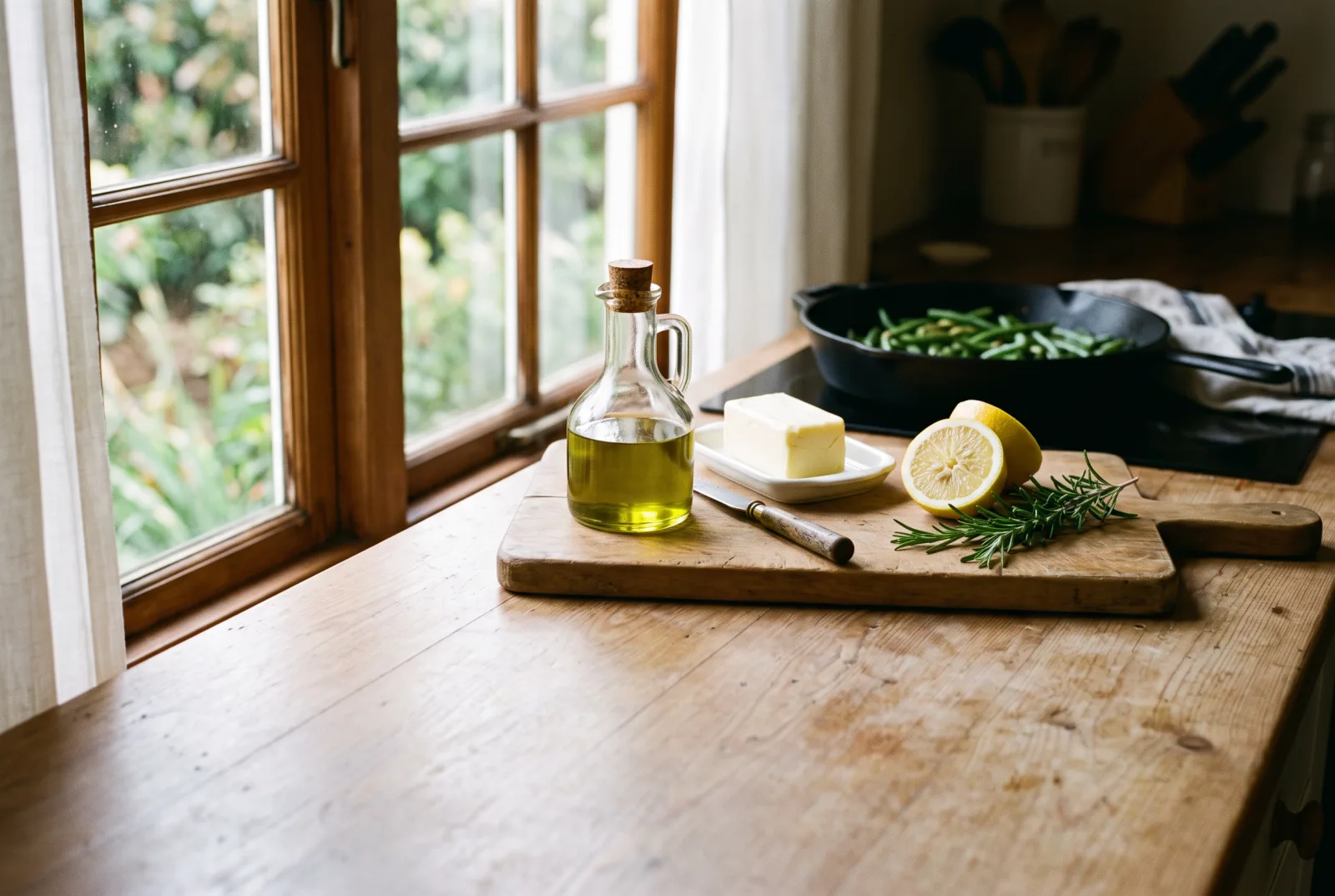
Olive Oil vs. Butter: What the Long-Term Studies Found
In a 28-year study of more than 92,000 U.S. adults, using more olive oil, especially in place of butter, was linked to lower death rates. Butter isn't banned, but small swaps add up.
 Personal Care
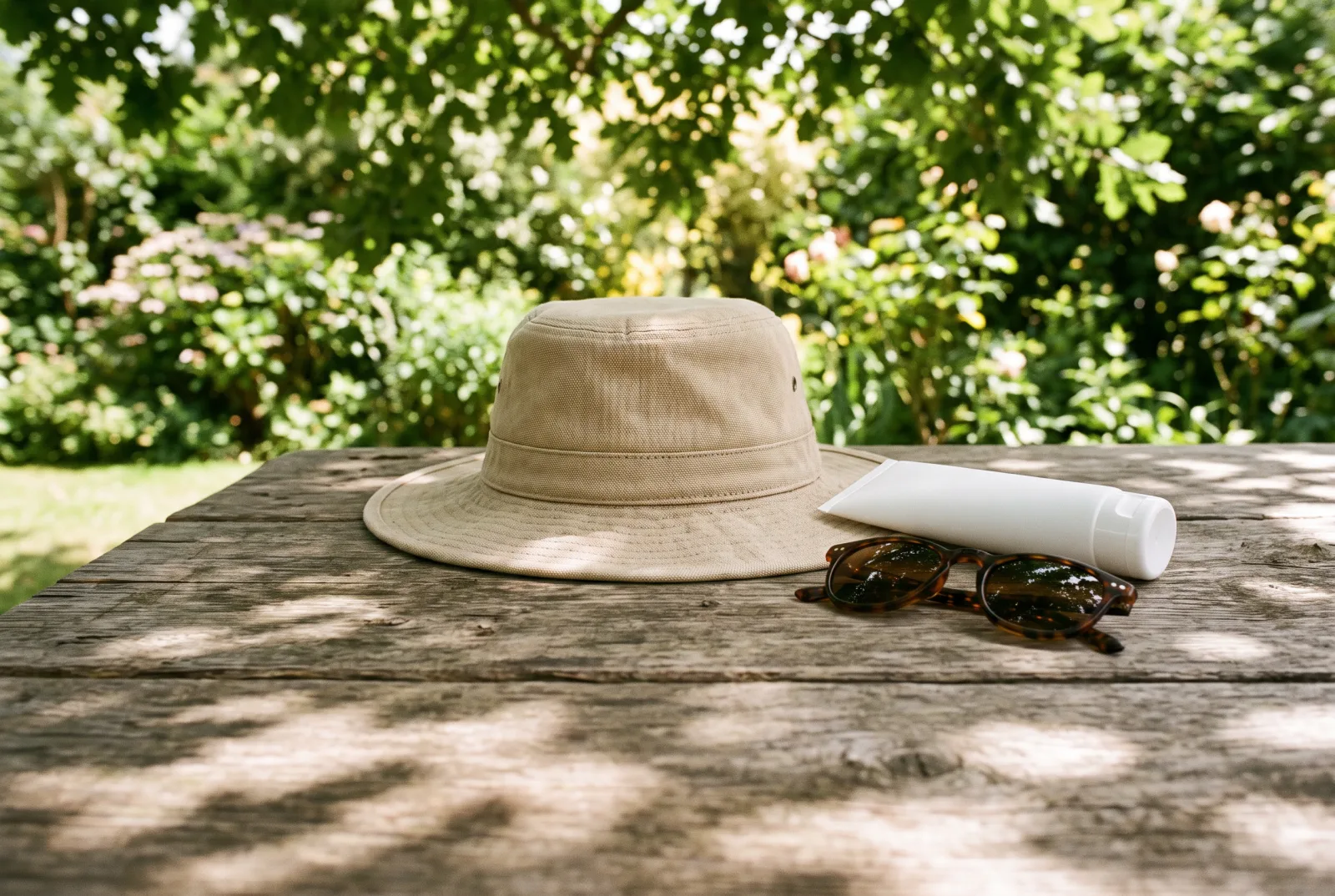
Sunscreen After 50: What Dermatology Guidelines Say
The American Academy of Dermatology's advice doesn't expire at 50: broad-spectrum, SPF 30 or higher, water-resistant, about an ounce for the body, reapplied every two hours outdoors, with shade and clothing doing much of the work.