Balance After 60: The Daily Habits Researchers Recommend
Falls are common after 65, but many can be prevented. The CDC and NIA point to a short list of habits: balance and leg-strength exercise, eye and foot checks, sturdy shoes, a safer home and a medicine review.
In this article
Most of us never think about balance until a curb catches us off guard. According to the CDC, more than one in four adults aged 65 and older falls each year, yet less than half tell their doctor. Falling once doubles your chances of falling again.
The encouraging part is that many falls can be prevented, and the steps aren't complicated. The CDC and the National Institute on Aging (NIA) point to the same short list: exercise for balance and leg strength, eye and foot checks, sturdy shoes, a safer home, and a talk with your doctor about medicines that can make you dizzy.
Why balance changes as we age
The NIA notes that with age, eyesight, hearing and reflexes may not be as sharp as they once were. Loss of muscle, problems with balance and walking, foot pain, unsafe footwear, some medicines and hazards around the home can all add to the risk.
According to the CDC, most falls come from a combination of these factors, and the more you have, the greater your chances of falling. The hopeful flip side is that many of them can be changed.
There's also a trap worth knowing about. The CDC explains that many people who fall, even without injury, become afraid of falling and cut back on everyday activities. Being less active makes them weaker, which raises their chances of falling. The NIA's advice: don't let a fear of falling keep you from being active.
Balance exercises that research supports
What the trials show
The strongest evidence comes from a 2019 Cochrane review led by Catherine Sherrington, which pooled 108 randomized trials involving more than 23,000 people aged 60 and older living in the community. People in exercise programs had about 23% fewer falls than those in comparison groups.
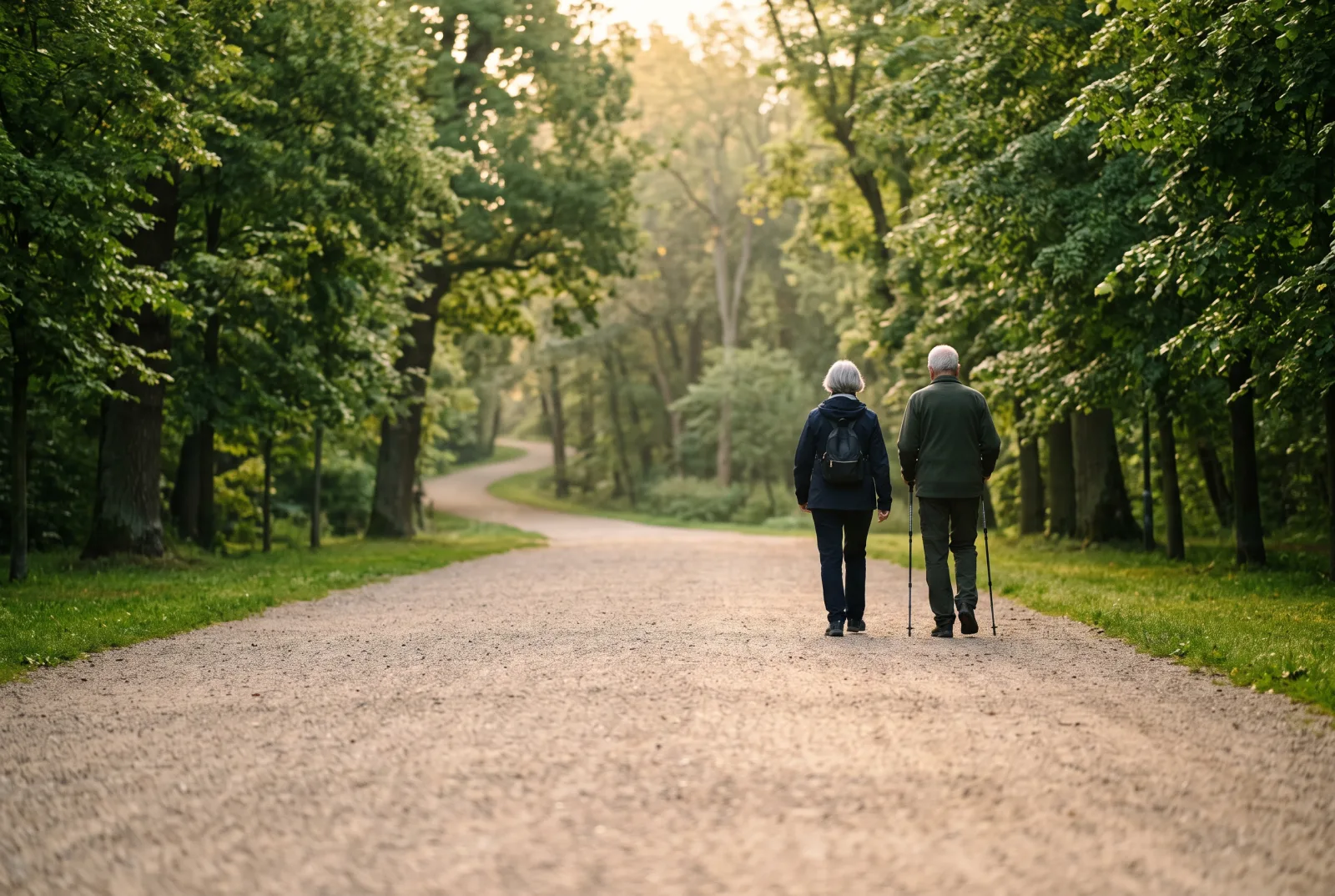
The type of exercise mattered. Programs built mainly on balance and functional exercises (exercises built around everyday movements) were linked to about 24% fewer falls, and programs that added strength training to balance work probably did even better. Tai chi may also help. Walking programs on their own showed an uncertain effect. Walking is still worthwhile; it just isn't a substitute for balance practice.
Easy ways to practice
The NIA lists balance exercises such as:
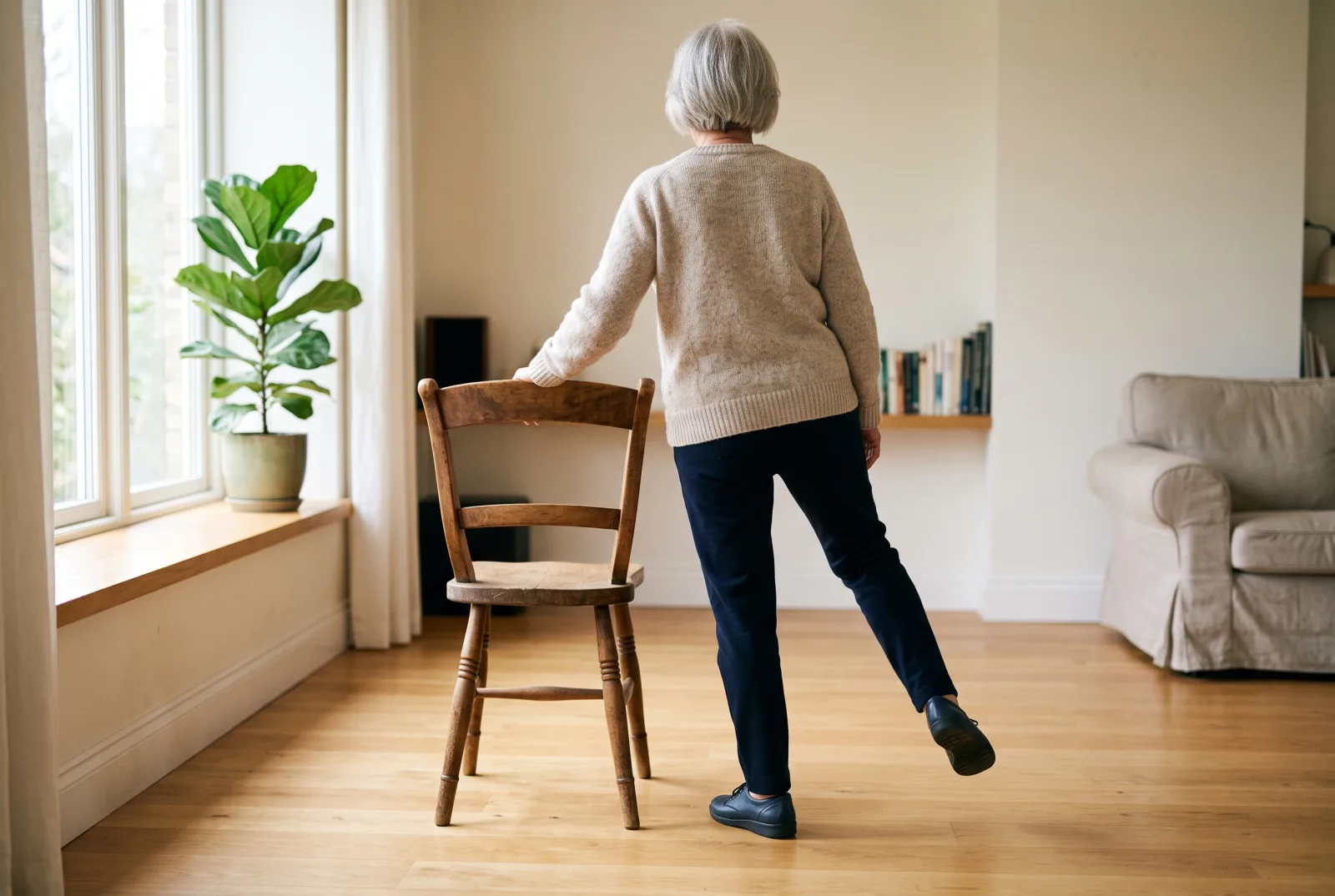
- Standing on one foot
- The heel-to-toe walk, placing one foot directly in front of the other
- Walking backward or sideways
- Practicing standing up from a sitting position
- Tai chi and yoga
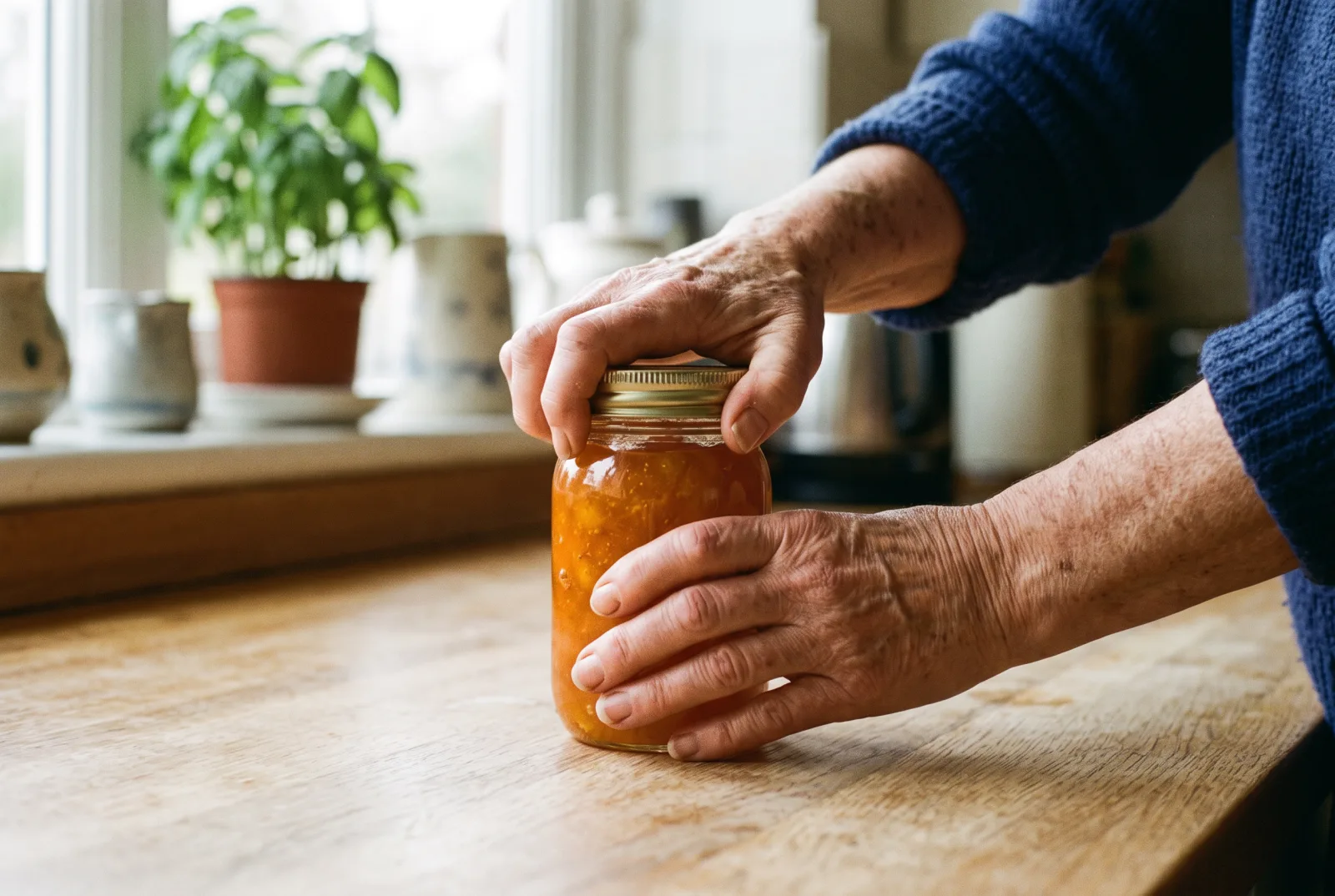
The NIA suggests aiming for about three sessions of balance exercises a week. One easy approach is to fold a minute or two into routines you already have, such as standing on one foot at the kitchen counter, one hand resting on it, while the kettle boils.
Safety first: the NIA recommends keeping a sturdy chair, a wall or another person within reach, going slowly, and wearing stable footwear.
Don't skip leg strength
Strong legs are what catch you when you wobble. The CDC's fall-prevention program, STEADI (Stopping Elderly Accidents, Deaths & Injuries), recommends a simple chair rise. Sit toward the front of a sturdy chair with your feet flat, lean forward, and slowly stand up, using your hands as little as possible. Then lower yourself back down with control instead of dropping into the seat. Work up to 10 to 15 repetitions, rest a minute, and do a second set. The goal is to do it without your hands.
The CDC's Stay Independent checklist notes that needing to push with your hands to stand up from a chair is a sign of weak leg muscles, a major reason for falling.
Check your eyes, feet and shoes
Eyes. The CDC recommends having your eyes checked by an eye doctor at least once a year and updating your glasses when needed. Bifocal or progressive lenses can make things seem closer or farther away than they really are, so the CDC suggests you may want a pair with only your distance prescription for outdoor walking. When you get new glasses, the NIA suggests giving yourself time to get used to them.
Ears. The NIA notes that even small changes in hearing are linked to a higher risk of falling, so have your hearing tested too.
Feet. The CDC suggests asking your healthcare provider to check your feet once a year and to talk with you about proper footwear.
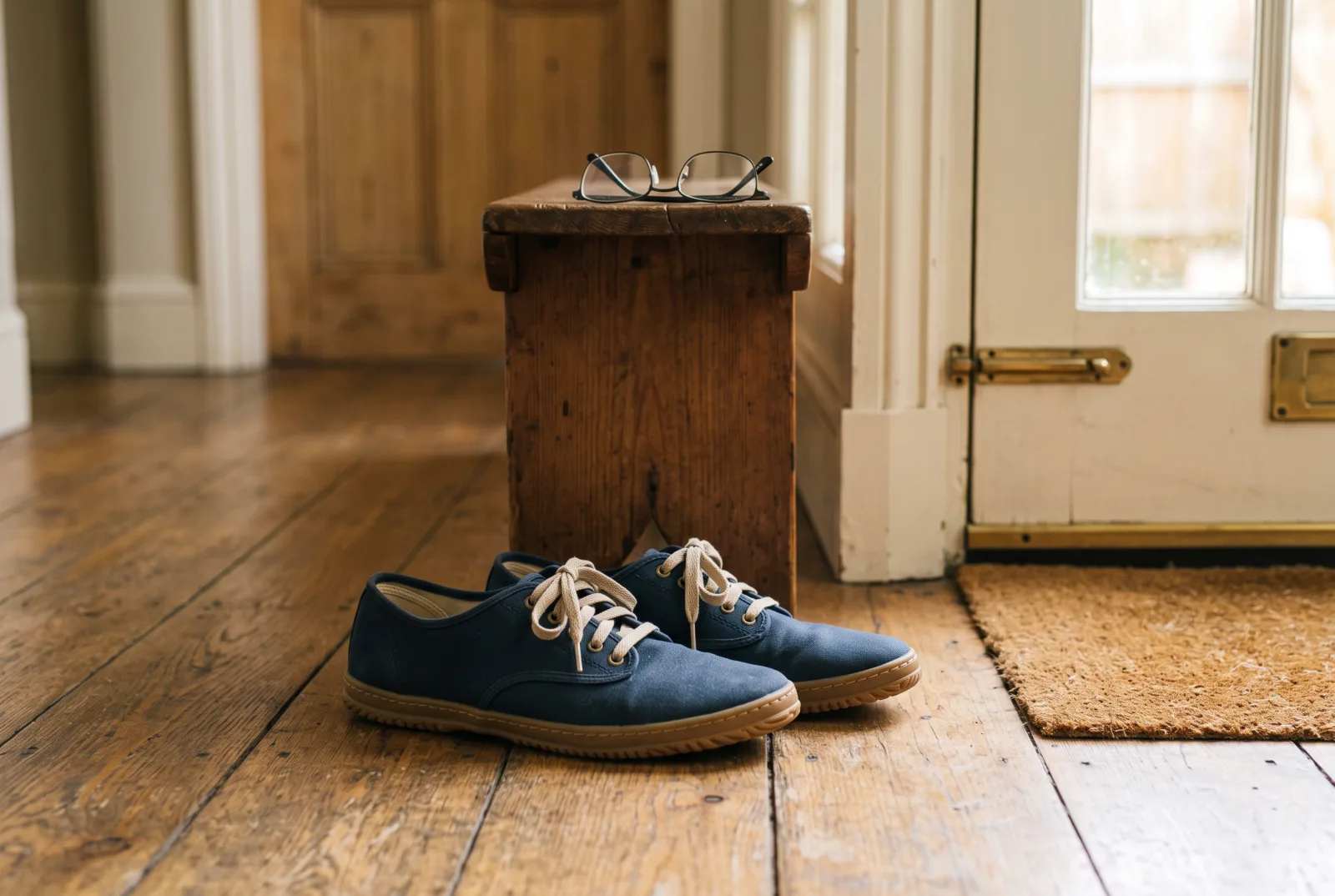
Shoes. The NIA recommends nonskid, rubber-soled, low-heeled shoes, and advises against walking on stairs or floors in socks or smooth-soled slippers. Backless shoes and high heels add to fall risk.
One more everyday habit from the NIA: stand up slowly. Getting up too quickly can make your blood pressure drop and leave you feeling wobbly.
Make your home easier to move through
The CDC's Check for Safety checklist walks through the house room by room. A few of its key points:
- Stairs: Keep objects off the steps and fix any loose or uneven ones. Have handrails on both sides that run the full length of the stairs, and a light with a switch at the top and the bottom.
- Floors: Remove throw rugs, or use double-sided tape or a non-slip backing so they can't slide. Coil or tape cords next to the wall.
- Bedroom: Keep a lamp within easy reach of the bed, and put a nightlight along the path to the bathroom.
- Bathroom: Use a non-slip mat or strips in the tub or shower, and add grab bars next to and inside the tub and next to the toilet.
- Kitchen: Keep things you use often about waist high. If you need a step stool, use one with a bar to hold on to, and never stand on a chair.
Out and about, the NIA suggests carrying a shoulder bag or backpack so your hands stay free to hold railings.

Talk to your doctor about medicines
Some medicines, or combinations of medicines, can make you sleepy or dizzy. The CDC notes that the way medicines work in your body can change as you get older, and that even some over-the-counter products can affect how steady you are. The NIA adds that the more medicines you take, the more likely you are to fall.
The CDC's advice is to ask your doctor or pharmacist to review everything you take, including over-the-counter medicines. Don't stop or change a prescription on your own; bring the list and talk it through.
While you're there:
- Mention any fall, even one that didn't hurt. The NIA says a fall can alert your doctor to a new medical problem, or to issues with your medicines or eyesight that can be corrected.
- Ask about your fall risk. The CDC recommends asking your provider to evaluate it.
- Try the checklist. The CDC's Stay Independent brochure has a 12-question self-check. A score of 4 or more means you may be at risk for falling, and the brochure suggests discussing it with your doctor.
The short version
- Practice balance about three times a week, with a chair or counter close by.
- Keep your legs strong with exercises like the chair rise. Walking alone isn't a substitute.
- Get your eyes checked once a year, and have your hearing and feet checked too.
- Wear nonskid, low-heeled shoes, not socks or smooth-soled slippers.
- Clear floors and stairs, and add handrails, grab bars and nightlights.
- Stand up slowly, review your medicines, and tell your doctor about any fall.
Sources
- Centers for Disease Control and Prevention — Facts About Older Adult Falls
- Centers for Disease Control and Prevention — Preventing Falls and Hip Fractures
- CDC STEADI — What YOU Can Do to Prevent Falls (PDF)
- CDC STEADI — Check for Safety (PDF)
- CDC STEADI — Chair Rise Exercise (PDF)
- CDC STEADI — Stay Independent (PDF)
- National Institute on Aging — Falls and Fractures in Older Adults: Causes and Prevention
- National Institute on Aging — Three Types of Exercise Can Improve Your Health and Physical Ability
- Sherrington C, et al. — Exercise for preventing falls in older people living in the community, Cochrane Database of Systematic Reviews, 2019
This article is general information, not medical advice. Talk to your doctor before changing your diet, exercise or medication.