Is Frozen Produce as Nutritious as Fresh?
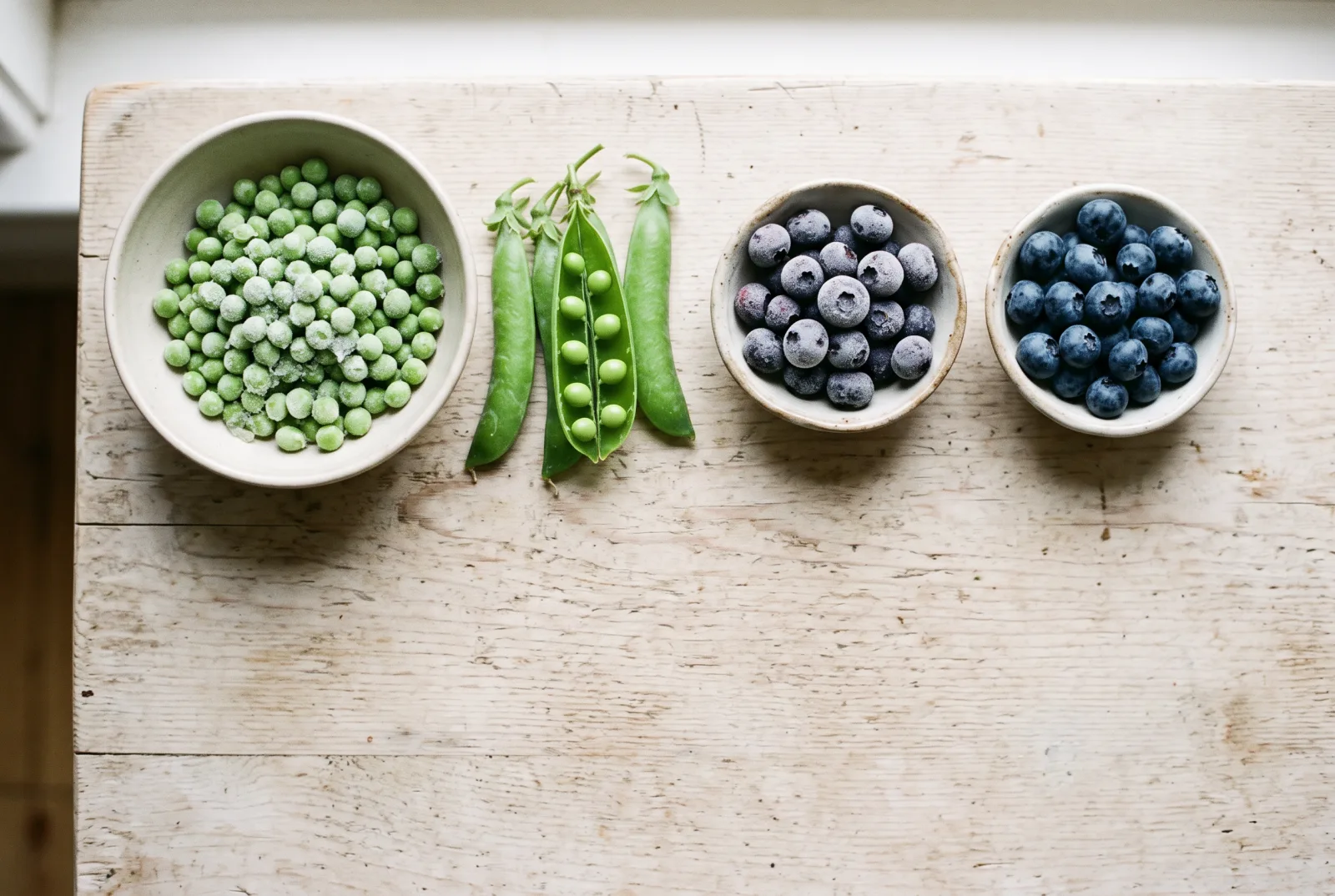
Studies comparing fresh and frozen fruits and vegetables find vitamin levels mostly similar, and when they differ, frozen tends to beat fresh produce that has sat in the fridge for days. Canned can work too.
In this article
Many of us feel a small pang of guilt reaching for a bag of frozen broccoli instead of a fresh head. The good news: you can let that go. Researchers who have measured vitamins in fresh and frozen fruits and vegetables side by side keep reaching the same conclusion. In most comparisons, the two are nutritionally similar. And where the studies did find differences, frozen beat "fresh" produce that had been sitting in the refrigerator for several days more often than the reverse.
The bigger factors turn out to be time and handling: how long produce sits before you eat it, and how it's cooked. Here's what the studies found, why the freezing process matters, and how to get the most from fresh, frozen and canned produce.
What the side-by-side studies found
A two-year study with a "fridge" twist
In 2017, Li and colleagues published a two-year study in the Journal of Food Composition and Analysis comparing eight common foods: broccoli, cauliflower, corn, green beans, green peas, spinach, blueberries and strawberries. They measured three nutrients: vitamin C, beta-carotene (which the body can turn into vitamin A) and folate.
What made this study useful was a third category the researchers called "fresh-stored": fresh produce kept in the refrigerator for five days, to mimic how most of us actually use what we buy. In the majority of comparisons, they found no significant differences in vitamin content among fresh, frozen and fresh-stored produce. Where differences did show up, frozen produce outperformed fresh-stored more often than the other way around. The authors concluded that their findings don't support the common belief that fresh food is significantly more nutritious than frozen.
A UC Davis comparison of eight fruits and vegetables
Researchers at the University of California, Davis, reached a similar conclusion. In a 2015 study in the Journal of Agricultural and Food Chemistry, Bouzari, Holstege and Barrett compared refrigerated and frozen corn, carrots, broccoli, spinach, peas, green beans, strawberries and blueberries. They tested vitamin C, riboflavin (a B vitamin), vitamin E and beta-carotene.
- Vitamin C: no significant difference in five of the eight foods, and higher in the frozen samples of the other three.
- Riboflavin: mostly no difference, with frozen broccoli higher and frozen peas lower.
- Vitamin E: higher in three frozen foods, with no difference in the rest.
- Beta-carotene: lower in frozen peas, carrots and spinach.
Overall, the researchers found frozen produce comparable to and occasionally higher in vitamins than fresh. That beta-carotene result is a useful reminder, though: frozen isn't better across the board. It's simply a solid, dependable choice.
Why blanching and freezing timing matter
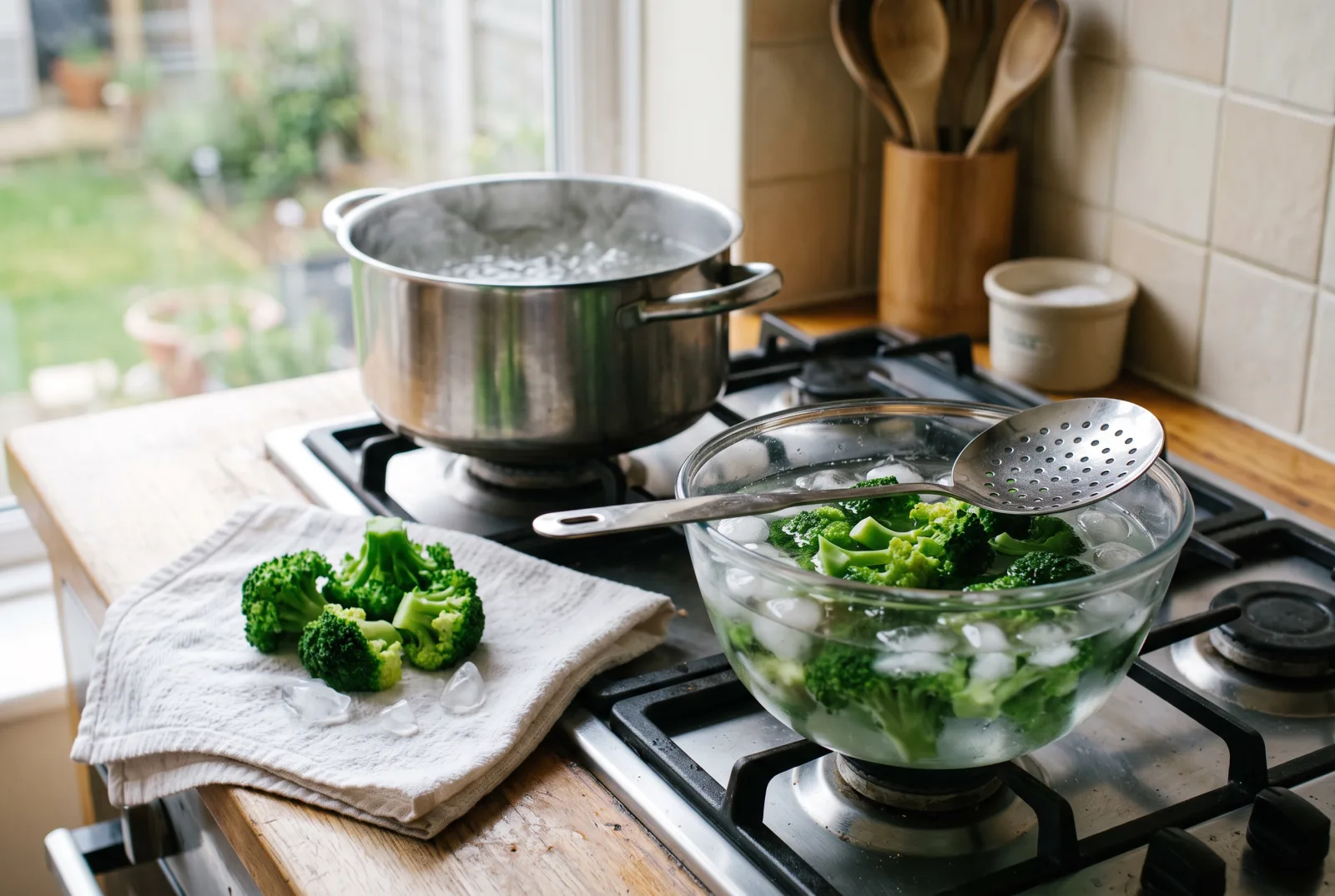
Most vegetables are blanched before they're frozen, meaning they're briefly scalded in boiling water or steam and then cooled. According to the National Center for Home Food Preservation at the University of Georgia, blanching stops enzyme actions that would otherwise cause loss of flavor, color and texture. It also helps slow the loss of vitamins. Timing is important: overblanching causes loss of flavor, color, vitamins and minerals.
A widely cited review by UC Davis researchers Rickman, Barrett and Bruhn, published in 2007, helps explain the trade-offs:
- Heat costs some nutrients up front. Vitamin C and the B vitamins dissolve in water and are sensitive to oxygen, so the initial heating in processing can reduce them.
- Frozen loses less at the start, but slowly over time. Because blanching is brief, frozen produce loses fewer nutrients initially. During long storage, it gradually loses more through oxidation.
- Canned is stable once sealed. After the initial heat treatment, canned produce holds its remaining nutrients fairly steadily, because there's little oxygen in the can.
- Fresh isn't frozen in time. The review found that nutrient losses in fresh produce during storage and cooking may be larger than most people assume.
The fridge clock is already running
That last point is where the "fresh-stored" category in the Li study comes in. Fresh produce keeps changing after harvest, and the days it spends in your crisper drawer count. Freezing slows those changes, though, as the UC Davis review notes, it doesn't stop them entirely.
None of this makes fresh produce a poor choice. It just means fresh is at its best when you eat it fairly soon after you buy it.
Smart ways to buy and store
You don't have to pick a side. Most kitchens do well with a mix:
- Buy fresh in amounts you'll use within a few days. Plan to eat the most delicate items, like berries and leafy greens, first.
- Keep frozen as your backup. A few bags of plain frozen vegetables and fruit mean there's always something ready when the fresh supply runs out.
- Choose plain frozen vegetables. The Food and Drug Administration suggests picking frozen vegetables without sauce or seasoning, which can add sodium.
- Look for fruit without added sugar. The Dietary Guidelines for Americans, 2025–2030 say frozen, dried or canned fruits and vegetables with no or very limited added sugars can be good options.
- Keep your freezer at 0°F or lower. The National Center for Home Food Preservation suggests eating frozen fruits and vegetables within 8 to 12 months for best quality. After that they're still safe, just lower in quality.
- Reseal bags tightly. Since frozen produce slowly loses nutrients through oxidation, limiting air exposure is a sensible habit.
- Go easy on the cooking water. Because vitamin C and B vitamins dissolve in water, steaming, microwaving with a splash of water, or using the cooking liquid in a soup can help keep more of them on your plate.
Canned produce: rinse and read labels
Canned fruits, vegetables and beans can earn a place on the shelf too. They're convenient and keep for a long time. The two things to watch are sodium and added sugar.
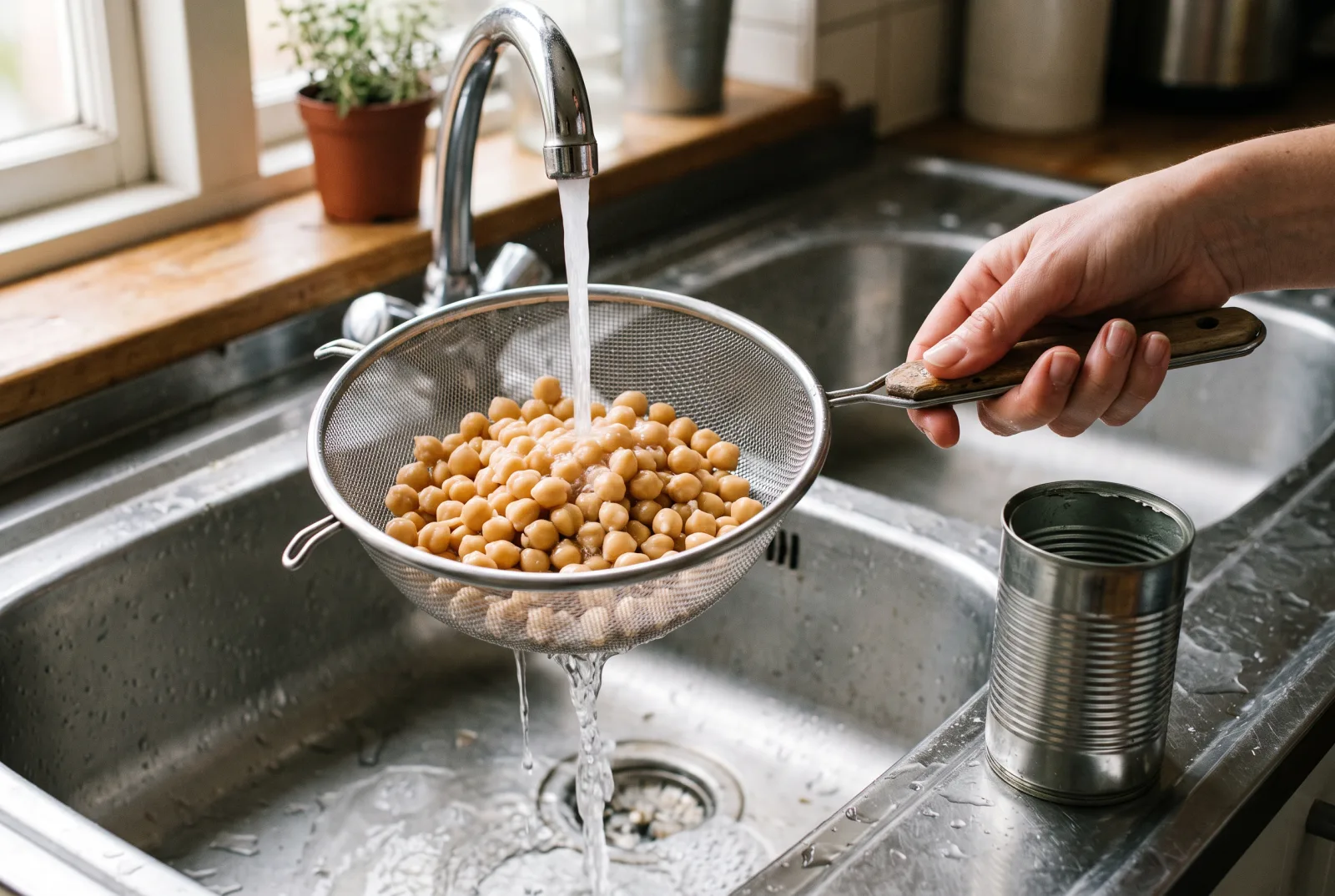
The FDA recommends choosing low-sodium or no-salt-added canned vegetables, and rinsing sodium-containing canned foods such as beans and vegetables before eating, which removes some of the sodium.
What the sodium labels mean
The FDA defines the terms you'll see on cans and packages:
- "Very low sodium": 35 milligrams or less per serving.
- "Low sodium": 140 milligrams or less per serving.
- "Reduced sodium": at least 25% less sodium than the regular product.
- "No salt added" or "unsalted": no salt is added during processing, but the food isn't necessarily sodium-free.
A quick shortcut from the FDA: on the Nutrition Facts label, 5% Daily Value or less of sodium per serving is considered low, and 20% or more is considered high. The Daily Value for sodium is less than 2,300 milligrams a day.
For canned fruit, check the ingredient list for syrups and added sugars, and choose options with no or very limited added sugars, in line with the Dietary Guidelines.
The short version: a quick checklist
- Studies comparing fresh and frozen produce find vitamin levels mostly similar. When they differ, frozen beats fresh that has sat in the fridge for five days more often than the reverse.
- Frozen isn't better on every nutrient. One UC Davis study found less beta-carotene in some frozen vegetables.
- Blanching protects flavor, color and texture. Frozen produce loses little up front but slowly loses more during long storage.
- Buy fresh in amounts you'll eat soon, and keep plain frozen fruits and vegetables as a backup.
- For canned foods, rinse beans and vegetables, and look for "low sodium," "no salt added" and no or limited added sugars.
Sources
- Li L, Pegg RB, Eitenmiller RR, Chun JY, Kerrihard AL — Selected nutrient analyses of fresh, fresh-stored, and frozen fruits and vegetables, Journal of Food Composition and Analysis, 2017
- Bouzari A, Holstege D, Barrett DM — Vitamin retention in eight fruits and vegetables: a comparison of refrigerated and frozen storage, Journal of Agricultural and Food Chemistry, 2015
- Rickman JC, Barrett DM, Bruhn CM — Nutritional comparison of fresh, frozen and canned fruits and vegetables. Part 1. Vitamins C and B and phenolic compounds, Journal of the Science of Food and Agriculture, 2007
- National Center for Home Food Preservation, University of Georgia — Blanching Vegetables for Freezing
- National Center for Home Food Preservation, University of Georgia — How Long Can I Store Frozen Foods?
- U.S. Food and Drug Administration — Sodium in Your Diet
- U.S. Department of Agriculture and U.S. Department of Health and Human Services — Dietary Guidelines for Americans, 2025–2030
This article is general information, not medical advice. Talk to your doctor before changing your diet, exercise or medication.