Why Grip Strength Is One of the Best Signs of Healthy Aging
Grip strength is a quick window into your overall muscle strength, and large studies link a weaker grip with poorer health outcomes. The habit worth building is strength for your whole body.
In this article
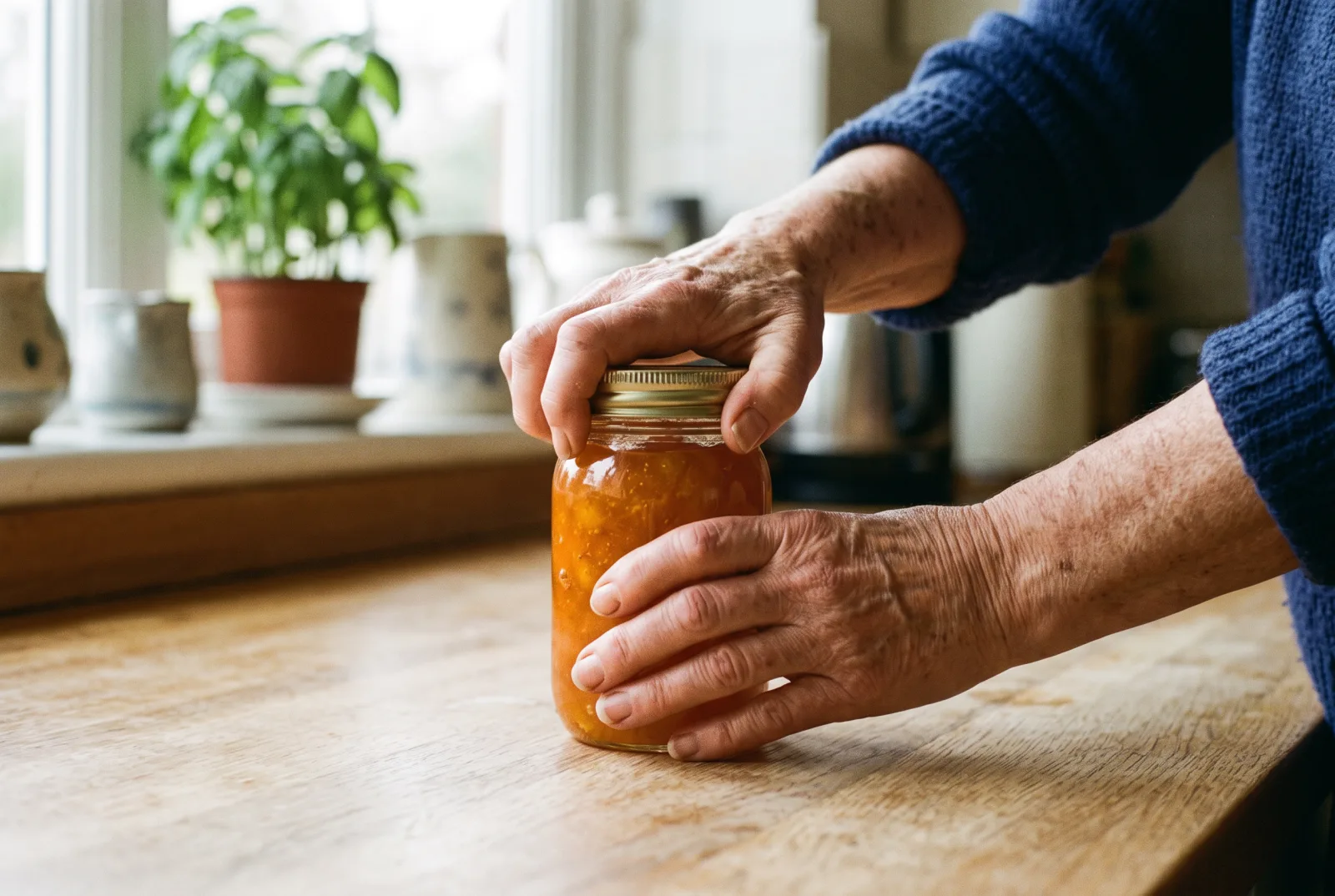
A firm grip is something you rarely think about until a jar lid won't budge. Yet to researchers who study aging, how hard you can squeeze is one of the most useful numbers they can collect. It takes seconds to measure, and large studies have linked a weaker grip with poorer health outcomes in the years that follow.
The reason isn't really about your hands. Grip strength works as a window into the strength of your muscles overall, and muscle strength is something you can work on at any age. That's the practical takeaway: not a special hand gadget, but regular strength-building activity for your whole body, which also happens to keep your grip strong.
What grip strength actually measures
In research studies and some clinics, grip is measured with a handheld device called a dynamometer. You squeeze it as hard as you can for a few seconds, and it records your force in kilograms or pounds.
That sounds narrow, but a 2019 review by Richard Bohannon in the journal Clinical Interventions in Aging found that grip strength consistently reflects a person's overall strength and how well their arms and hands work. It also gathered evidence linking grip to future physical function and to mortality. The review's title sums up the argument: grip strength is "an indispensable biomarker for older adults," a simple measure worth using routinely to help spot people at risk of poorer health.
Researchers like it for practical reasons, too. The team behind one of the largest studies on the subject described grip testing as simple, quick and inexpensive.
Strength changes with age
According to the National Institute on Aging (NIA), muscle mass and strength typically peak around ages 30 to 35. After that, muscle power and performance decline slowly at first, then faster after about age 65 for women and 70 for men.
That's an average, not a fixed fate. The NIA notes that the decline can be substantially slowed by staying active, and that many older adults can increase their muscle strength with exercise.
What the big studies found
The PURE study
The best-known evidence comes from the Prospective Urban Rural Epidemiology (PURE) study, led by Darryl Leong and colleagues and published in The Lancet in 2015. Researchers measured the grip strength of 139,691 adults aged 35 to 70 in 17 countries, then followed them for a median of four years.
Each 5 kilograms (about 11 pounds) of lower grip strength was associated with a 16% higher risk of dying from any cause during the study. A weaker grip was also linked with higher risks for several specific causes of death. And grip strength was a stronger predictor of death from any cause than systolic blood pressure, the top number in a blood pressure reading.
The study also found no significant link between grip and some other outcomes, including injuries from falls and fractures. That's a useful reminder that grip is one signal among many, not a crystal ball.
A gauge, not a lever
Here's the part headlines often skip. PURE found an association, not cause and effect. The authors wrote that more research is needed to test whether improving strength actually reduces the risks they observed.
So squeezing a stress ball every evening isn't a proven way to add years. A better way to think about grip is as a fuel gauge on a car dashboard: it tells you something useful about what's going on underneath, but tapping the gauge doesn't fill the tank. What grip seems to reflect, your overall muscle strength, is the part worth building.

Why everyday strength matters
Strong muscles are what let you open that jar, carry the shopping in one trip, and get up from a low sofa without a push. The NIA says muscle-strengthening activity helps you stay independent and makes everyday tasks easier, such as getting up from a chair, climbing stairs and carrying groceries. It's also key to maintaining the strength you have, slowing the loss of muscle mass, and helping to prevent falls.
These aren't small things. According to the NIA, studies show that about 30% of adults over age 70 have trouble walking, getting up out of a chair or climbing stairs.
Your hands are part of nearly all of it. Holding a railing, lifting a full kettle, pulling open a heavy door: grip is where your body's strength meets the world.
How to keep your hands and body strong
You don't need a gym or special equipment. The official guidance for older adults is straightforward.
Follow the strength guideline
The CDC recommends that adults 65 and older do muscle-strengthening activities on at least two days a week, working all the major muscle groups: legs, hips, back, abdomen, chest, shoulders and arms. Do each activity until it's hard to do another repetition without help. Eight to 12 repetitions make one set. At least one set brings benefits, and two or three sets bring more.
The NIA adds a useful rule: give each muscle group time to recover, rather than working the same muscles two days in a row.
Choose activities that use your grip
Many everyday strength activities work your hands and forearms along with bigger muscles. All of these appear on the CDC's or NIA's lists of muscle-strengthening activities:
- Lifting hand-held weights
- Working with resistance bands
- Carrying heavy items, such as groceries
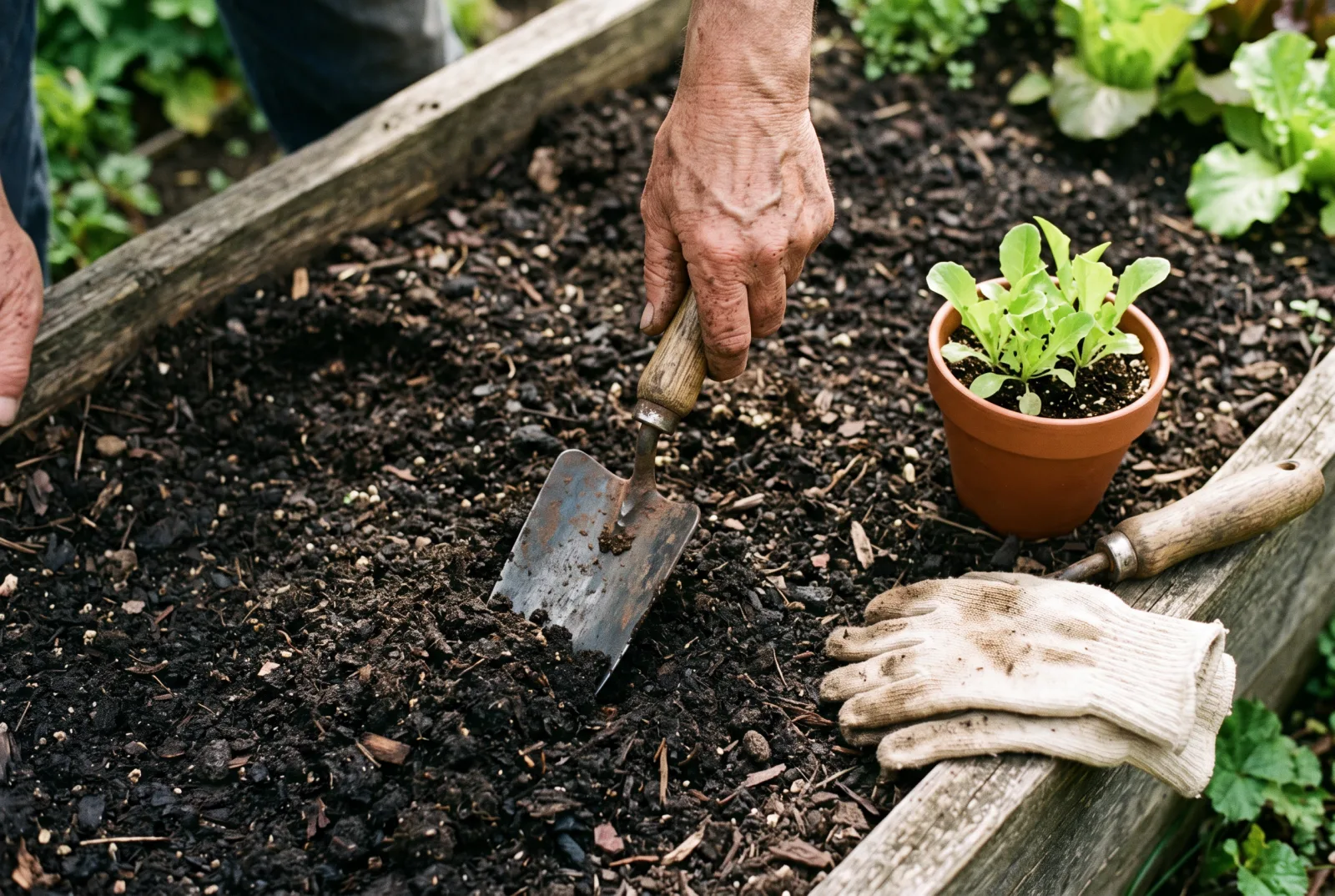
- Gardening that involves digging and lifting
Variety beats a single exercise
The federal Physical Activity Guidelines for Americans point out that strength gains are specific to the muscles you use, so a variety of activities is needed for balanced strength. A hand gripper works your hand. Carrying, lifting and digging work your hands and your legs, back and shoulders. Since grip matters mostly as a reflection of overall strength, whole-body work is the sensible priority.
Start gently and breathe
If you're new to strength training, the NIA suggests trying the movements without weights or bands until you're comfortable with them. Don't hold your breath: breathe out during the effort and in as you relax. Avoid "locking" your arm and leg joints in a straight position. If you're unsure about a movement, ask your doctor or a physical therapist.
If your hands are stiff or painful, or you notice you're getting weaker, bring it up at your next appointment. The NIA advises talking with a doctor if you or a family member feels general weakness.
The short version
- Grip strength is a gauge. Researchers use it as a quick read on your overall muscle strength.
- Large studies link a weaker grip with poorer outcomes. In the PURE study, each 5 kg of lower grip strength was associated with a 16% higher risk of death during follow-up.
- A link isn't a lever. It hasn't been shown that training your grip alone changes those risks.
- Build whole-body strength. Aim for muscle-strengthening activity on at least two days a week, working all the major muscle groups.
- Let daily life help. Carrying groceries, digging in the garden, and using hand weights or bands all count, and all of them work your grip.
- Start easy and ask questions. Breathe through each effort, and talk to your doctor if you have health concerns or notice new weakness.
Sources
- Leong DP, Teo KK, Rangarajan S, et al. — Prognostic value of grip strength: findings from the Prospective Urban Rural Epidemiology (PURE) study, The Lancet, 2015
- Bohannon RW — Grip Strength: An Indispensable Biomarker For Older Adults, Clinical Interventions in Aging, 2019
- National Institute on Aging — How can strength training build healthier bodies as we age?
- National Institute on Aging — Three Types of Exercise Can Improve Your Health and Physical Ability
- Centers for Disease Control and Prevention — What Counts as Physical Activity for Older Adults
- U.S. Department of Health and Human Services — Physical Activity Guidelines for Americans, 2nd edition
This article is general information, not medical advice. Talk to your doctor before changing your diet, exercise or medication.